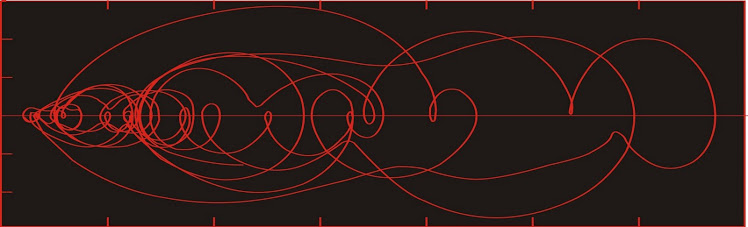
This recent remake of a classic Kurosawa film investigates themes of identity, and sublimation of the self. A common man of the streets must pretend to be the head of US Fed in order to maintain market stability. But what is the price he must pay?
It opens with a notorious central banker (Ben Bernanke) discovering a double exact duplicate of himself.

Fearing unspecified plots against his life, he plans to use this doppelganger as a Kage Ginko-ka--a shadow banker. This shadow can take his place in public appearances, reducing the risk of unexpected economic events.
Arduous training follows--how to make verbose, meaningless statements about the economy; how to compose himself before the cameras during congressional hearings; how to conduct FOMC meetings; and the importance of low interest rates as a means of combating undesirable economic outcomes..


Rumours swirl of Bernanke's death, so to calm the markets, the Fed Governors trot out the Shadow Banker.

His first public appearances go very well. Many commentators note he seems more life-like than usual.

The human element is a major element in a tragedy. In this case, Bernanke's replacement, Tim Geithner, is distressed that he is being passed over for the position in favour of a common man from the streets.
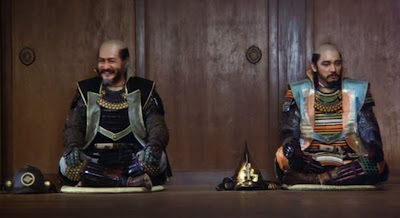
Geithner schemes to expose the charlatan so that he can take over as Fed Chair. As an FOMC meeting approaches, the other Fed Governors prepare the shadow banker to sit quietly, listen to everyone's advice, then thank everyone for their input and close the meeting with an announcement the policy decisions will follow in the morning--said policies to be drafted by the other Fed governors.
But Geithner tries to sabotage the proceedings, by pointing out apparent overheating in some sectors of the economy and asking him to raise rates. Ignoring the others, Geithner demands the shadow banker make a policy decision on the spot.

Although the other Fed governors are impressed with his ability to think on his feet, they are disquieted by the disrespect shown by this common man from the streets. Some of them also fear that someone so clever might be tempted to "slip the leash".
Their fears are later confirmed when he releases a statement unilaterally raising the target rate for unemployment rate from 6.5% to 7%. Sensing the need to act, they dismiss him, admit the real Bernanke is dead, and appoint Geithner.
Determined to put his stamp on the Fed after his long period of frustration, Geithner embarks on a series of market interventions that end in disaster.


Desperate to help, the shadow banker buys all the bonds he can, but it is too little, too late.

Killed by sharply rising interest rates, he is swept away by the river of fate.
It opens with a notorious central banker (Ben Bernanke) discovering a double exact duplicate of himself.

"He's an exact duplicate of me. He could be very useful. He's the worst sort of
scoundrel-a drunkard, a gambler, a thief. As I say, an exact duplicate of me!"
Fearing unspecified plots against his life, he plans to use this doppelganger as a Kage Ginko-ka--a shadow banker. This shadow can take his place in public appearances, reducing the risk of unexpected economic events.
Arduous training follows--how to make verbose, meaningless statements about the economy; how to compose himself before the cameras during congressional hearings; how to conduct FOMC meetings; and the importance of low interest rates as a means of combating undesirable economic outcomes..
Ironically, despite his preparations, Bernanke succumbs to a mysterious ailment (possibly ink poisoning) compounded by numerous paper cuts.
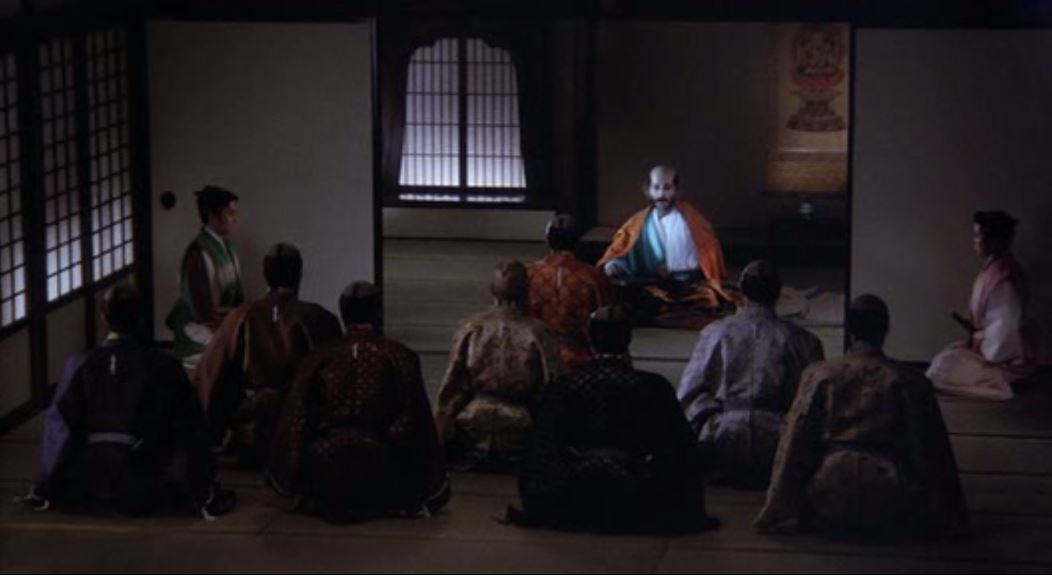
Bernanke informs Fed Governors that he may die, and tells them to maintain low
interest rates and keep his death a secret for at least three years to avoid market turmoil.

"I can see gold under $300/oz! Fly my banners!"
Rumours swirl of Bernanke's death, so to calm the markets, the Fed Governors trot out the Shadow Banker.

The Shadow Banker is introduced. The Fed Governors decide to use
him to convince the market Bernanke is still in control.
His first public appearances go very well. Many commentators note he seems more life-like than usual.

"Innovation, almost by definition, involves ideas that no one has yet had,
which means that forecasts of future technological change can be, and
often are, wildly wrong. A safe prediction, I think, is that human innovation
and creativity will continue; it is part of our very nature." (May 18, 2013).
The human element is a major element in a tragedy. In this case, Bernanke's replacement, Tim Geithner, is distressed that he is being passed over for the position in favour of a common man from the streets.
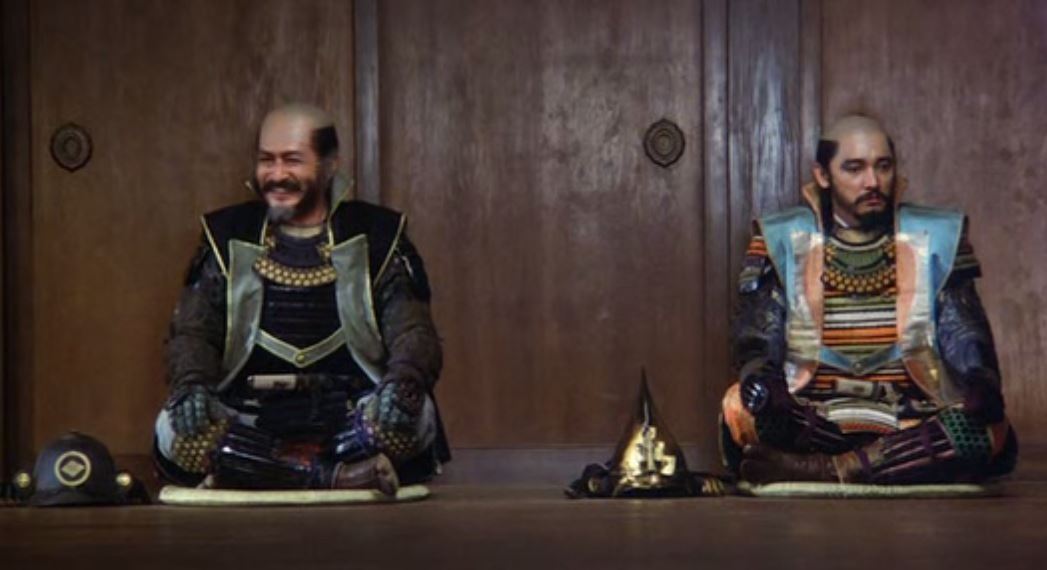
Geithner (at right): "That should be me up there--not that fraud!"
Geithner schemes to expose the charlatan so that he can take over as Fed Chair. As an FOMC meeting approaches, the other Fed Governors prepare the shadow banker to sit quietly, listen to everyone's advice, then thank everyone for their input and close the meeting with an announcement the policy decisions will follow in the morning--said policies to be drafted by the other Fed governors.
But Geithner tries to sabotage the proceedings, by pointing out apparent overheating in some sectors of the economy and asking him to raise rates. Ignoring the others, Geithner demands the shadow banker make a policy decision on the spot.

The Shadow Banker rises to the challenge. "The interest rate shall not move."
Although the other Fed governors are impressed with his ability to think on his feet, they are disquieted by the disrespect shown by this common man from the streets. Some of them also fear that someone so clever might be tempted to "slip the leash".
Their fears are later confirmed when he releases a statement unilaterally raising the target rate for unemployment rate from 6.5% to 7%. Sensing the need to act, they dismiss him, admit the real Bernanke is dead, and appoint Geithner.
Determined to put his stamp on the Fed after his long period of frustration, Geithner embarks on a series of market interventions that end in disaster.


Bailed-in depositors lie on the field of battle.
Desperate to help, the shadow banker buys all the bonds he can, but it is too little, too late.

"I can't replace QE, but every bit helps!"
Killed by sharply rising interest rates, he is swept away by the river of fate.


